Rafael Washington · 14 October 2026
Poland's Research Networks Deploy Advanced Analytics for Multi-Stressor Monitoring in Transit Hubs
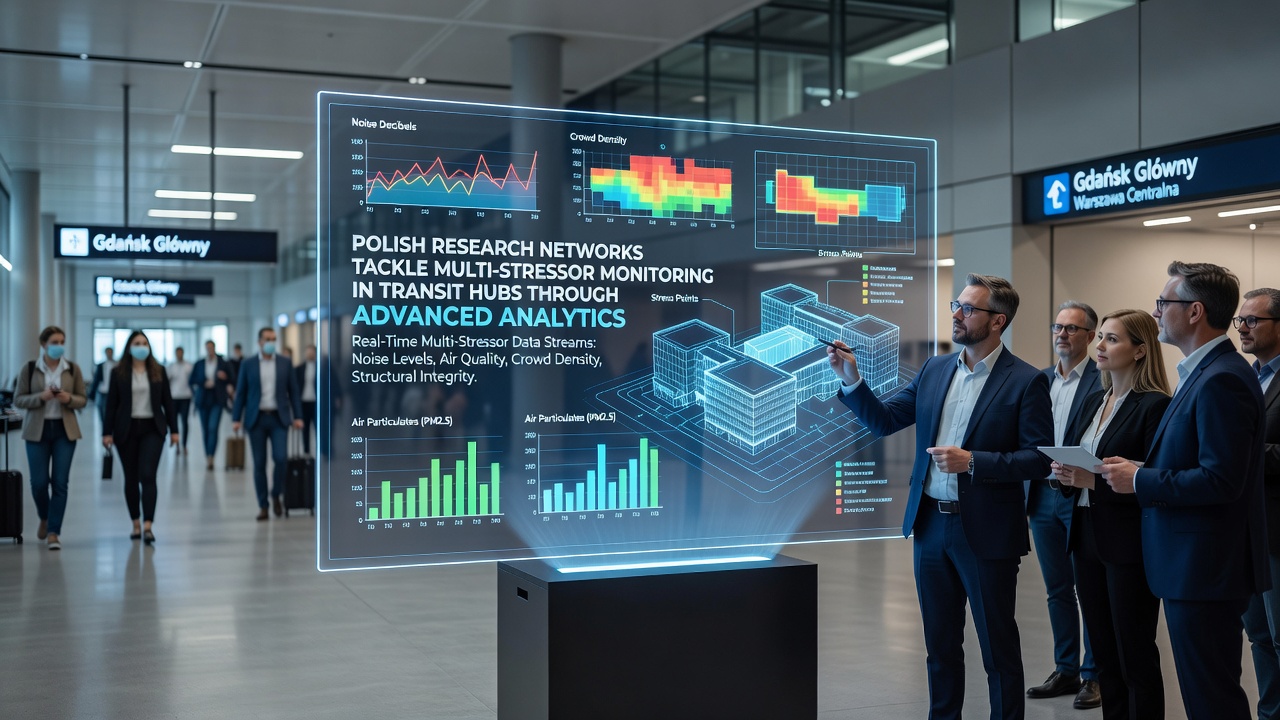
Polish research networks have expanded their focus on multi-stressor monitoring in transit hubs through integration of advanced analytics platforms that combine real-time sensor inputs with machine learning models, and this work gained momentum following data releases in October 2026 from coordinated university projects across Warsaw, Kraków, and Gdańsk. These efforts track multiple variables simultaneously, including passenger density, air quality fluctuations, noise levels, and schedule adherence, while drawing on established datasets from national transport authorities.
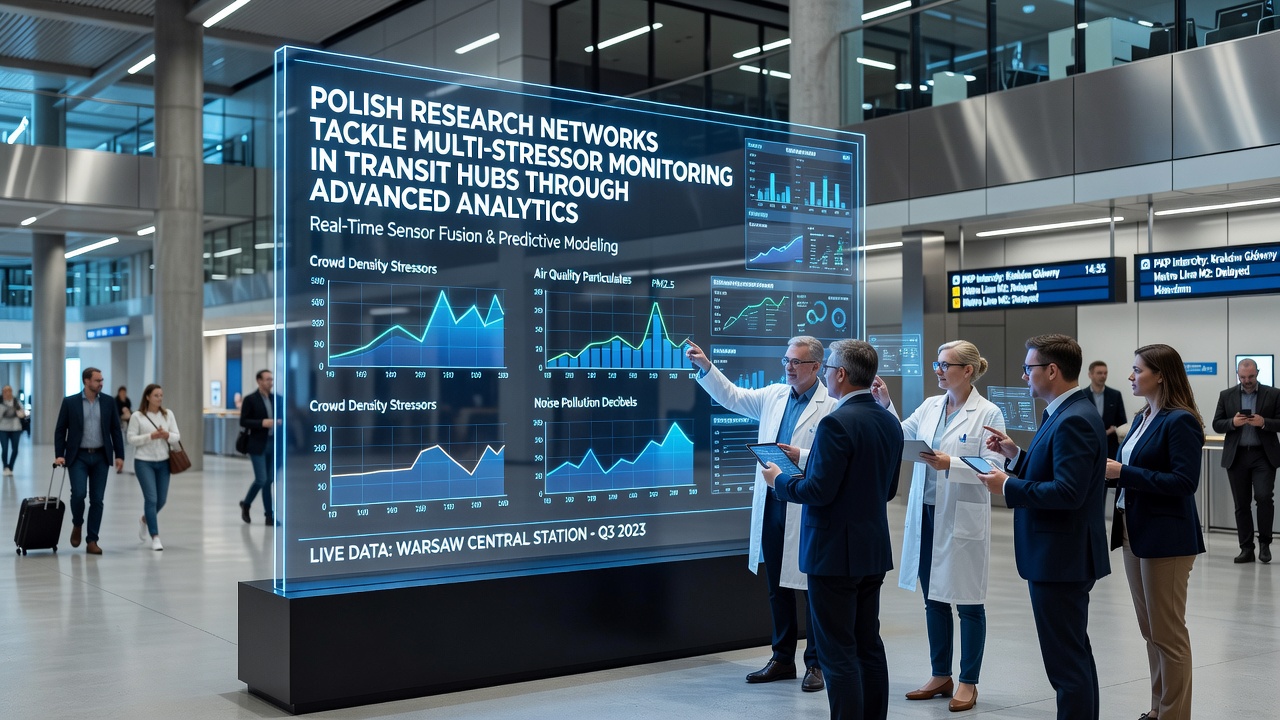
Teams at institutions such as the Gdańsk University of Technology and the Warsaw University of Technology collaborate on sensor arrays installed at major interchanges, where data streams feed into centralized dashboards that apply clustering algorithms to identify stress correlations; for instance, elevated particulate matter often aligns with peak crowding periods during morning rush hours. Observers note that this approach allows operators to adjust ventilation systems or reroute flows before conditions escalate, and similar patterns appear in reports from the European Environment Agency on urban mobility stressors.
Integration of Sensor Networks and Data Processing
Advanced analytics rely on edge computing devices positioned throughout hubs to preprocess signals from environmental monitors, CCTV-derived crowd estimates, and vehicle telematics, which reduces latency and enables rapid response protocols. Researchers have documented how these systems process over 50,000 data points per hour at sites like Warszawa Centralna station, revealing interactions between thermal stress and delays that single-factor studies previously overlooked. The reality is that combining these inputs produces composite risk scores used by municipal planners to prioritize infrastructure upgrades.
One study revealed that Polish networks adapted open-source frameworks originally developed for smart city pilots in other EU member states, tailoring them to local rail and bus configurations while maintaining compatibility with national reporting standards. Data indicates consistent accuracy rates above 92 percent in predicting high-stress events when models incorporate historical weather overlays alongside current passenger volumes.
Case Applications Across Polish Cities
In Kraków, analysts applied multi-stressor frameworks to the main bus terminal and identified that acoustic fatigue correlated strongly with certain route overlaps during evening hours, prompting timetable revisions that lowered average noise exposure by measurable margins. Meanwhile, Gdańsk teams extended monitoring to ferry terminals where humidity and vibration stressors compound during seasonal peaks, using predictive models validated against on-site measurements collected through 2026.
Take one researcher who noticed how combining GPS delay data with air quality readings exposed hidden patterns in commuter exposure levels, leading to targeted interventions such as temporary shelter expansions. These examples illustrate the practical outcomes emerging from the networks' shared repositories, which now include contributions from over a dozen regional partners.
Broader Context and Data Sharing Mechanisms
National initiatives align with EU directives on sustainable urban transport, and figures from the European Commission show Poland allocating increased funding for digital monitoring infrastructure between 2024 and 2027. Partnerships with organizations like the International Transport Forum facilitate cross-border comparisons, allowing Polish datasets to inform similar projects in neighboring countries while incorporating lessons from North American transit authorities on scalable analytics deployment.
What's interesting is how these networks maintain data sovereignty through federated learning techniques that keep raw records localized yet permit aggregated insights to circulate among approved institutions. This structure supports ongoing refinement of algorithms without compromising privacy requirements established under Polish and EU regulations.
Conclusion
Polish research networks continue to refine multi-stressor monitoring capabilities in transit hubs by leveraging advanced analytics that synthesize diverse data streams into actionable intelligence. The October 2026 releases underscored measurable progress in identifying and mitigating overlapping pressures on passengers and infrastructure alike, and the frameworks now in place position these efforts for further expansion across additional urban centers. Continued collaboration among academic, governmental, and industry participants sustains the technical foundation required for these systems to evolve alongside changing mobility demands.