Rafael Washington · 30 September 2026
Polish Cities Adopt Integrated Sensor Networks to Monitor Multi-Factor Transit Stressors
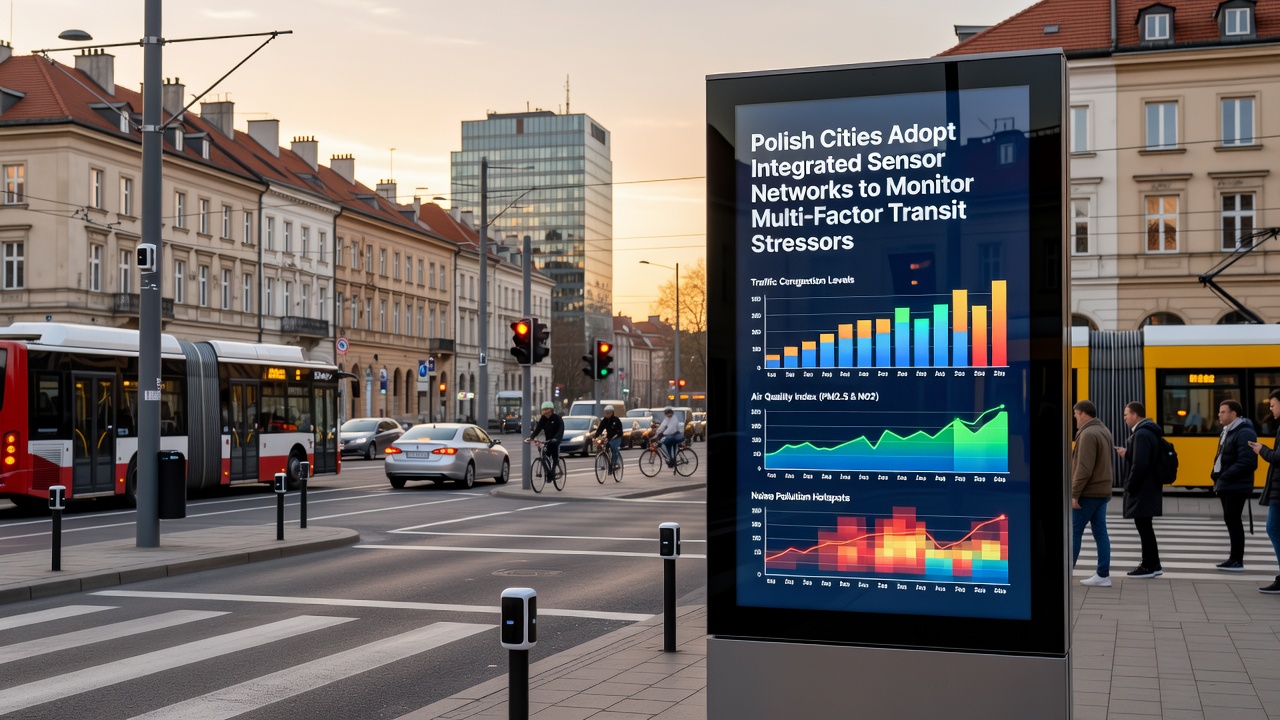
Polish cities have moved forward with integrated sensor networks designed to capture data on multiple transit stressors at once, and these systems track air quality, noise levels, passenger density, vibration, and temperature variations across bus, tram, and rail routes. Cities including Krakow, Gdansk, and Wroclaw began phased rollouts in 2024, with further expansions scheduled through September 2026 when additional nodes will connect to central data platforms. The networks combine fixed roadside units with mobile sensors mounted on vehicles, allowing continuous collection that feeds into municipal dashboards for real-time adjustments and long-term planning.
Network Architecture and Data Integration
Engineers deploy arrays of electrochemical and optical sensors alongside acoustic monitors and infrared counters, while these devices transmit readings every thirty seconds through low-power wide-area networks. Data streams merge at edge computing stations before upload to cloud repositories, where algorithms correlate factors such as elevated particulate matter with crowding during peak hours. According to the European Commission transport reports, similar multi-parameter approaches have reduced response times to environmental incidents by up to forty percent in pilot regions. Polish operators adapt these methods to local conditions, including seasonal temperature swings and high winter heating emissions that compound transit-related pollution.
Calibration occurs quarterly through reference stations operated by regional environmental agencies, and cross-checks with satellite imagery help verify spatial accuracy. Cities avoid single-metric monitoring because isolated readings often miss interactions, for instance when high noise coincides with poor ventilation and increases reported passenger discomfort. The combined datasets support predictive models that forecast stressor peaks, enabling schedule tweaks or vehicle rerouting before conditions worsen.
City-Level Deployments and Early Results
Krakow installed over two hundred sensor nodes along its tram corridors by mid-2025, concentrating coverage near major interchanges where multiple lines converge. Gdansk focused initial efforts on ferry terminals and bus hubs exposed to coastal wind patterns that influence pollutant dispersion. Wroclaw integrated sensors into its newly electrified bus fleet, capturing interior cabin conditions alongside external measurements. Figures from municipal transport authorities show average daily data volume exceeding five terabytes per city, processed through open-source platforms that allow academic partners to run secondary analyses.
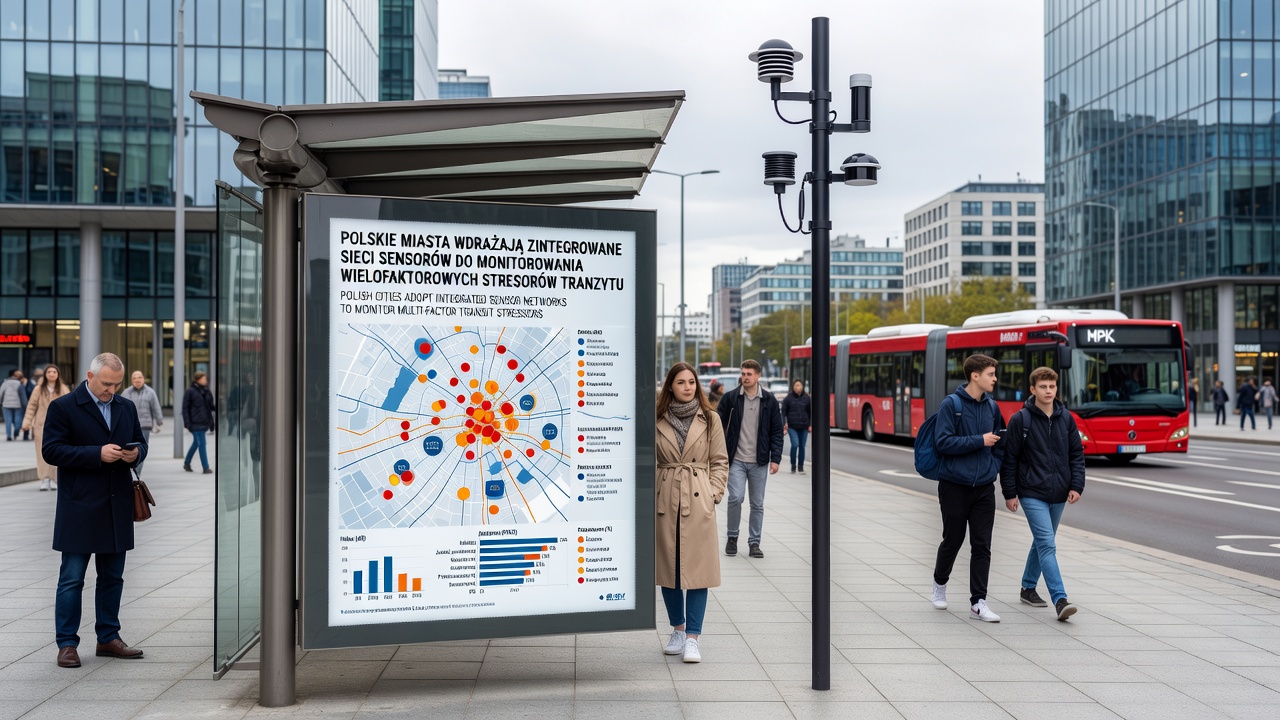
One study from Warsaw University of Technology examined correlations between vibration readings and track maintenance needs, revealing that certain sensor clusters flagged sections requiring intervention weeks earlier than traditional inspections. Observers note that passenger density spikes during events at large venues become visible within minutes, prompting temporary increases in service frequency. These operational changes draw on evidence rather than anecdotal reports, and transport planners adjust frequencies based on threshold alerts generated automatically when combined stressor indices exceed predefined limits.
Policy Applications and Broader Context
Municipal councils use the aggregated findings to prioritize infrastructure investments, such as adding ventilation at underground stops or installing noise barriers near sensitive residential zones. The approach aligns with EU urban mobility frameworks that emphasize evidence-based environmental management, and Polish cities reference these guidelines when allocating national recovery funds. Data also informs public communication campaigns that advise commuters on lower-stress travel windows, though adoption of such guidance varies across demographic groups.
Researchers at international institutions have examined comparable networks in other temperate climates, and findings indicate that integrated monitoring outperforms siloed systems when the goal is identifying compound health risks. Polish implementations add layers for local variables like coal-related particulate surges during heating seasons. Collaboration between city agencies and universities continues, with several papers scheduled for release after the September 2026 sensor expansion phase concludes its first full year of operation.
Conclusion
Integrated sensor networks now provide Polish transit authorities with granular, multi-factor visibility into the pressures affecting daily travel. Cities continue linking new devices into existing grids, and the resulting datasets support both immediate operational decisions and longer-term infrastructure strategies. As September 2026 approaches, additional nodes will extend coverage to secondary routes, further refining the picture of how environmental and operational stressors interact across entire networks.